Electric ActuatorsAn electric actuator is basically a geared motor. The motor can have various voltages and is the primary torque-generating component. To prevent heat damage from overwork or excessive current draw, electric actuator motors are usually equipped with a thermal overload sensor embedded in the motor windings. This sensor is wired in the series with the power source and opens the circuit. Should the motor be overheated, it then closes the circuit when the motor reaches a safe operating temperature. An electric motor consists of an armature, and electrical winding, and a gear train. When power is supplied to the winding, a magnetic field is generated causing the armature to rotate. The armature will rotate as long as there is power to the windings. When the power is cut, the motor stops. Standard end of travel limit switches, which are necessary for an electric actuator, handle this task. Electric actuators rely on a gear train coupled directly to the motor to enhance the motor torque and dictate the output speed of the actuator. The only way to change the output speed is to install a cycle length control module. This module allows an increase in cycle time only. If a decrease in cycle time is required, an alternate actuator with the desired cycle time and proper output torque must be used.
All our electric actuator models feature 2-SPDT switches, output torque, conduit size, torque switches (if applicable), and a heater (if applicable). Series 19 CAV, SAV, & MAV Electric Actuators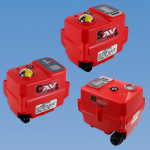 Applications:Remote locations, locations with no air supply, colder temperatures, smaller valves, low cost applications
Series 92 Quarter Master Chief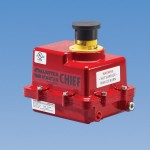 Applications:Remote locations, locations with no air supply, colder temperatures, larger valves
Series 94 Quarter Master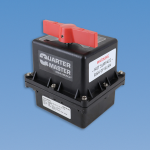 Applications:Remote locations, locations with no air supply, colder temperatures, smaller valves, low cost applications
Series 10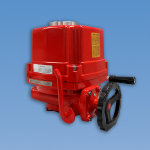 Applications:Locations with no air supply, colder temperatures, larger valves, limited submergence applications
Series 17 Electric Actuator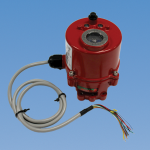 Applications:Water and wastewater treatment, landfills, aquariums, chemical processing, swimming pools and water features, power plants, and mining applications.
Series 83 Electromni® - DISCONTINUED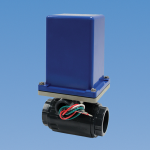 Applications:Locations with no air supply, smaller valves, OEM applications, low cost applications
|

- |

- |

- |

- |
- Sitio español
- |